
From Property to Person: Rome’s Shifting Social Order
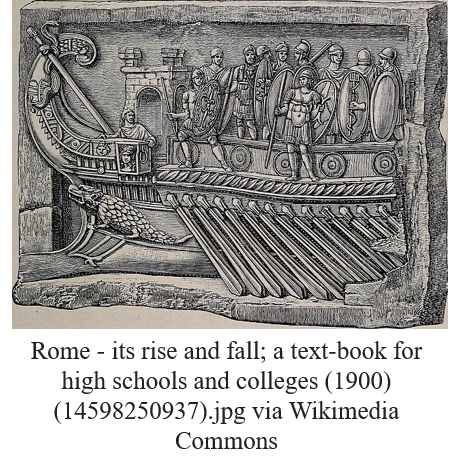
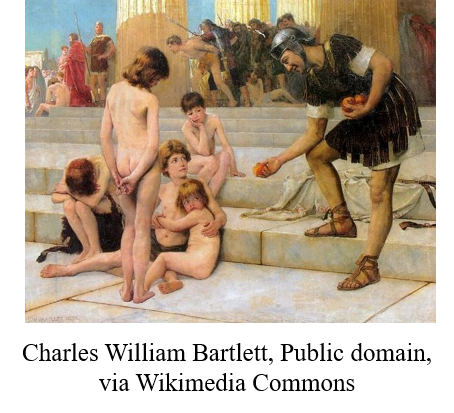 In my previous two blogs, I explored the all-important status ladder of ancient Rome. I use the term ladder because people could move up and down in rank, standing, and station. This included slaves who were legally considered property, not persons, with no legal rights. A slave could be punished, sold, abused, or killed at the whim of their owner. Physical labor on farms, in mines, in brothels, or on galley ships. included neglect, abuse, and often a short lifespan.
 Enslavement was harsh, but in ancient Rome, it was not always permanent. The enslaved could be freed in a legal process called manumission.
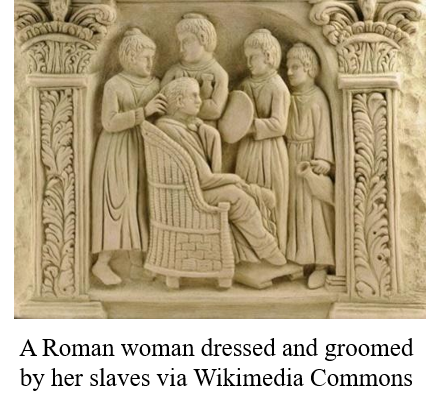 People enslaved in cities—especially those working in businesses, possessing education or marketable skills, or serving within a household—had a greater chance of gaining freedom than those relegated to hard physical labor. Freedom was viewed as an incentive for loyal and hardworking slaves, and owners saw freed slaves as investments, future clients, and business partners.
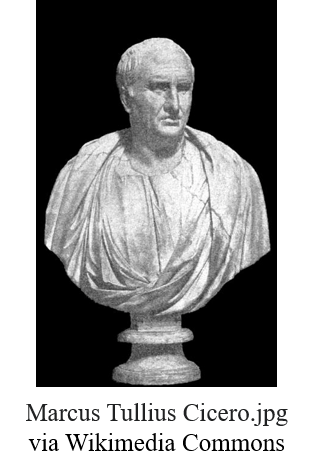 Freedom was often granted as a reward for dedicated service, when an owner died, or occasionally when a bond formed, such as between Senator Marcus Tullius Cicero and Tiro, his personal secretary and archivist. Manumission elevated the freed slave to Roman citizen status, allowing them to outrank a freeborn person from Roman provinces within Spain, Greece, or Asia Minor.
- They could legally marry
- Own property and do business
- Were protected under Roman law
Freedmen were considered lower-status than freeborn citizens, but they maintained obligations to their former owners in a client/patron relationship. Freedmen and freedwomen often continued in the same roles they had held in slavery, working in the same homes, businesses, or farms and providing the same services. The key difference was that they were now responsible for their own food, clothing, and shelter.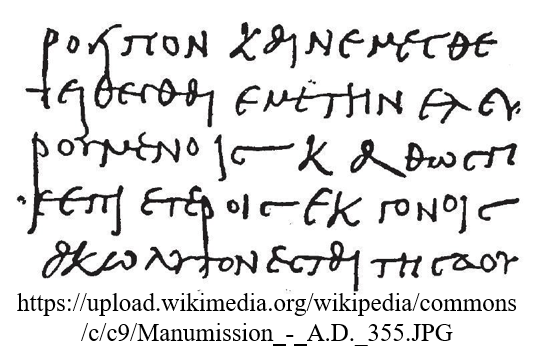 Rather than being owned, they were paid—sometimes by their former masters—to carry out familiar work. A tutor might go on teaching, gardeners continued tending estates, and a business manager might remain in place or even enter into a partnership with a former owner. Papyrus manumission document.
After Tiro’s manumission, he continued working for Cicero, inventing a form of shorthand known as Tironian notes. He recorded and maintained Cicero’s many writings and was responsible for the preservation and publication of Cicero’s letters after Cicero’s execution. Manumission was a powerful instrument for social mobility. Freedmen, Freedwomen, and their children made up a large portion of Roman society, with some estimates as high as 20%.
At the same time, freedom was held out as a reward for loyal service; it also created an incentive structure that discouraged rebellion. Freedom was used as a tool to protect those in power from slave revolts—an ever-present fear among the Roman elite. Spartacus led one of the most famous uprisings, though many others occurred throughout Roman history. By offering the possibility of manumission, slaveholders fostered the belief that enslavement was not necessarily permanent, sustaining hope for a different future while reinforcing control.
As Roman citizens, they could partake of the benefits of one of the world’s most powerful, rich, and prosperous empires.
This blog also seen on HHHistory.com – https://www.hhhistory.com/2026/04/from-property-to-person-romes-shifting.html