
Did Christianity Turn Roman Slavery Upside Down? Maybe.
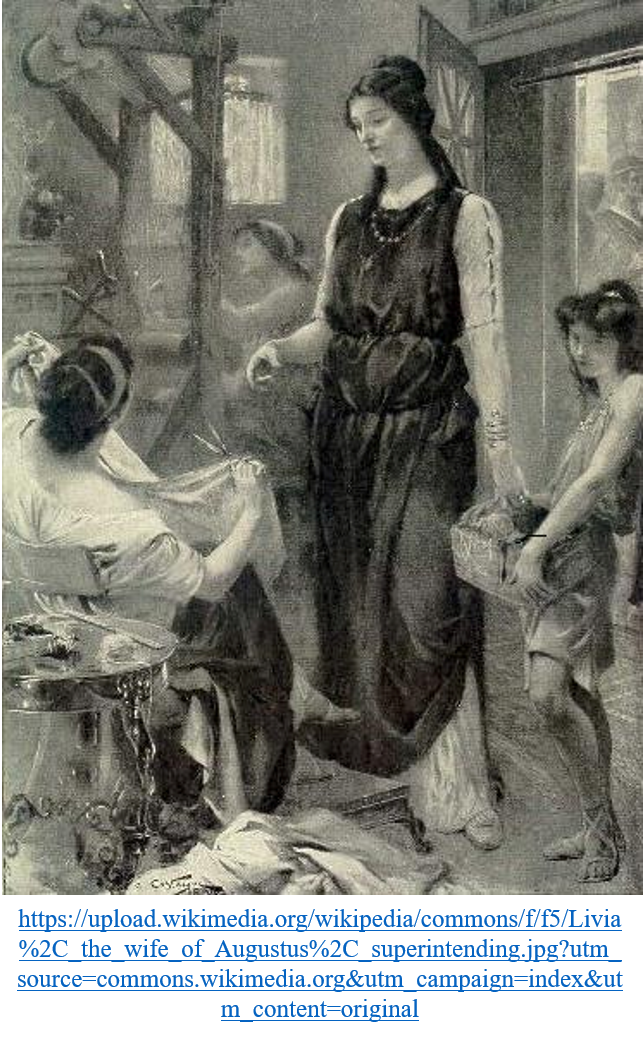 When a novel is set in ancient Rome, it is almost impossible to avoid the subject of slavery. In the Roman Empire, slavery was everywhere. Some historians estimate that as many as one-third of the population was enslaved. Unlike slavery in early America, Roman slavery was not based on race. Masters and slaves were often of the same ethnicity, spoke the same language, and sometimes even came from the same region.
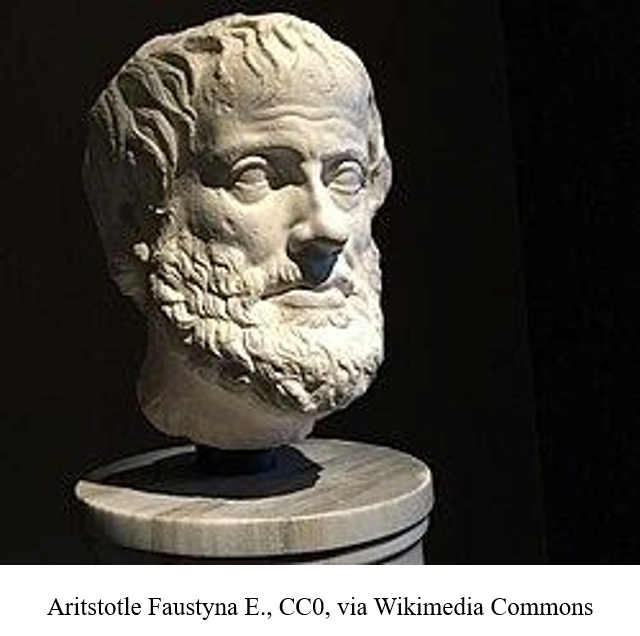 Most Romans saw slavery as a normal part of life. Philosophers like Aristotle even argued that some people were “natural slaves.” He believed certain people were meant to do physical labor and were better off being ruled by others. Whether someone became enslaved through war, debt, or punishment, very few people questioned the system itself. Slavery helped power the Roman economy, its armies, and its growing empire.
Then Christianity entered the picture.
The writers of the New Testament never directly called for the end of slavery. The Apostle Paul still told slaves and masters how to live within the system that already existed. But Christianity introduced a dangerous new idea: before God, slave and free were equal. Paul wrote in Galatians 3:28 that in Christ “there is neither slave nor free.” In churches across the empire, slaves worshiped beside masters, shared the Lord’s Supper together, and called each other brothers and sisters.
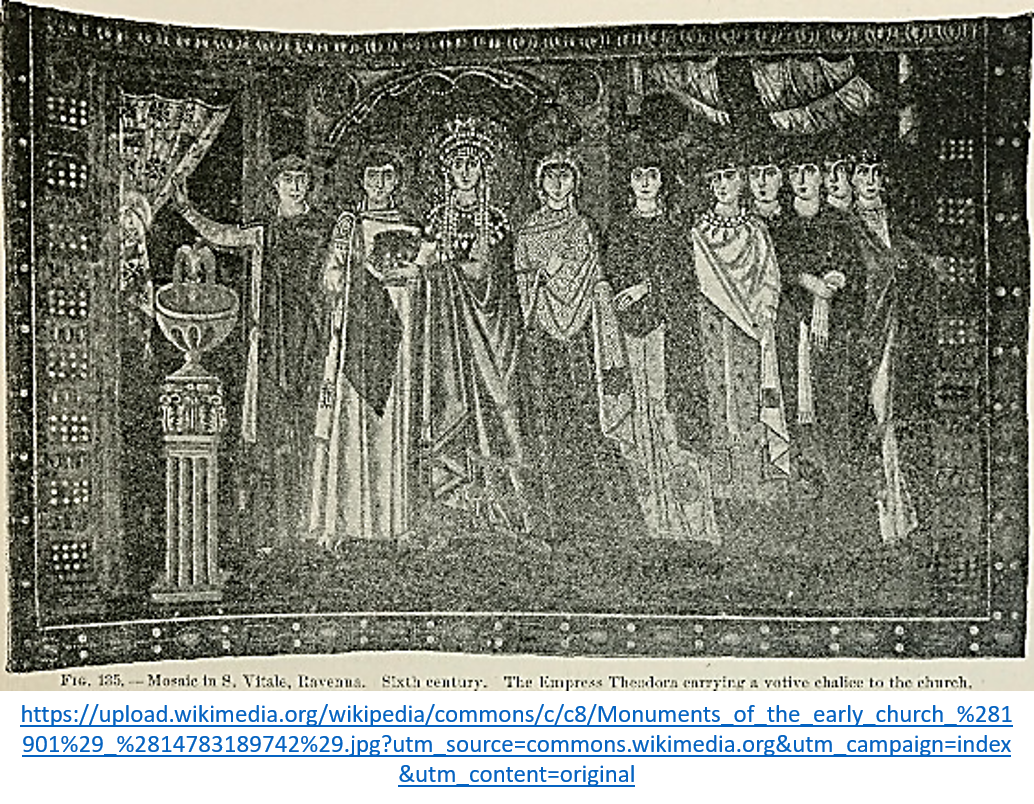 To most Romans, this sounded absurd. Roman society depended on status, rank, and legal divisions. Christianity quietly challenged those divisions by teaching that a person’s value came from God, not from wealth or social position.
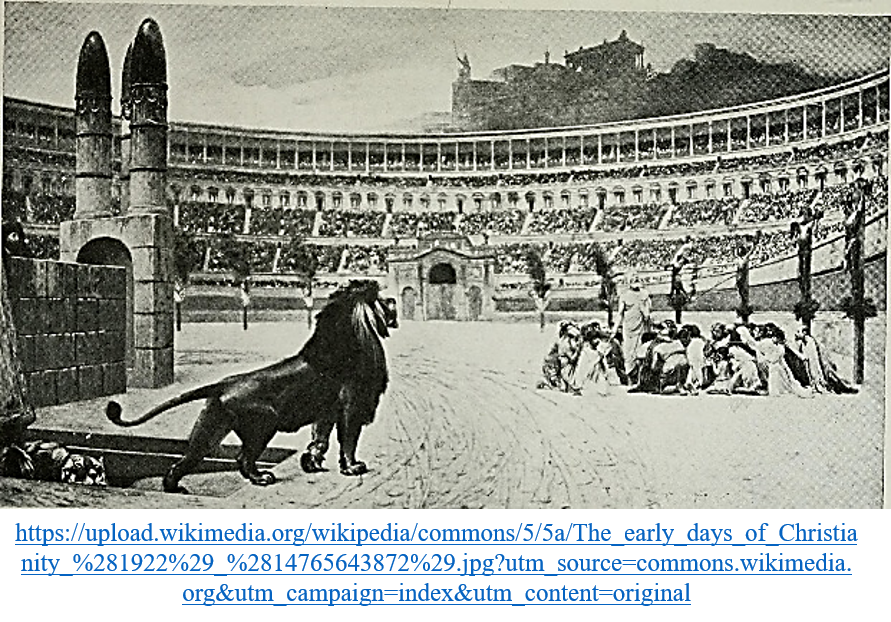 That tension appears throughout my novels set in places like Ephesus. In cities loyal to Rome, Christian communities created an uncomfortable gray area where slaves, merchants, soldiers, and nobles gathered as equals. Roman authorities did not always understand this movement, but they recognized it could weaken the social order that held the empire together and began persecuting the followers of this strange religion.
Christianity did not end Roman slavery overnight. That would take centuries. But it planted ideas about human worth and equality that slowly began to crack the foundations of the system.
This blog also seen on HHHistory.com – https://www.hhhistory.com/2026/05/did-christianity-turn-roman-slavery.html